If you wear hearing Aids, you may have noticed something strange: both devices use the same type of batteries, yet one side always seems to die earlier than the other. Many users wonder whether this means one battery is defective or one hearing aid has a problem. In reality, this situation is extremely common, and it usually has logical explanations related to your hearing needs, device settings, and daily habits.
In this article, we’ll explain the real reasons behind uneven battery usage and share practical tips to make both batteries last longer. Whether you’re new to hearing aids or have used them for years, understanding this issue can help you get more consistent performance from your devices.

How Do hearing Aid Batteries Work
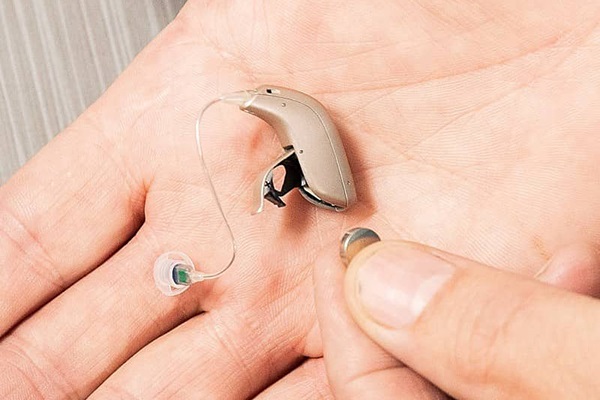
Most traditional hearing aids use zinc-air batteries. These small button batteries are powered by air: once you remove the small sticker on the battery, oxygen enters the cell and activates it. This means the battery immediately starts working, even before it is placed in the hearing aid.
Because zinc-air batteries rely on airflow, their performance can be affected by several factors, such as temperature, humidity, and how well the battery compartment seals.
Different hearing aids also consume different amounts of power. For example:
- Behind-the-ear (BTE) models may use more power for stronger amplification.
- Receiver-in-canal (RIC) hearing aids with Bluetooth typically drain batteries faster.
- In-the-ear (ITE) or CIC models may require less daily power.
These differences help explain why battery life can vary between devices—even if you use the same battery size on both sides.
Why One Hearing Aid Battery Dies Faster
1. Different Power Requirements Between Your Ears
The most common reason one battery drains faster is simple:
your left and right ears usually have different levels of hearing Loss.
If one ear needs more amplification, the hearing aid on that side works harder—consuming more battery power. Even a small increase in required gain can noticeably shorten battery life.
2. Your Hearing Aids Are Not Programmed the Same
Even though hearing aids come as a pair, they are not identical in settings.
Your hearing care provider may have programmed:
- Different noise reduction levels
- Different microphone directionality
- Different compression levels
- Different listening programs
If one side has more processing enabled, it will naturally drain its battery faster.
3. Bluetooth and Wireless Communication
Modern hearing aids often use wireless technology for streaming and syncing.
In many brands, one hearing aid acts as the “master” and communicates directly with your smartphone or TV streamer. The other side acts as the “receiver.”
Because of this, the master hearing aid uses more power. If your phone connects primarily to the right side (for example), the right battery may always drain first.
4. Moisture, Sweat, and Earwax Buildup
Moisture and debris in the battery compartment can affect electrical contact and increase power usage. Factors include:
- Sweat during exercise
- Humidity from the environment
- Earwax entering the battery door
- Condensation from temperature changes
If one ear naturally produces more sweat or earwax, that battery may drain faster.
5. Differences in Venting or Battery Compartment Fit
The airflow around the battery affects zinc-air battery life. If:
- One battery door is looser,
- One vent is partially blocked,
- Or one battery compartment is slightly worn,
then that side may drain faster.
Older hearing aids sometimes develop tiny gaps that allow too much air inside the battery compartment, causing the battery to “over-activate” and run out sooner.
6. Battery Quality and Storage Differences
Sometimes the reason has nothing to do with the hearing aid itself. Battery-related issues include:
- Using batteries from different batches
- Uneven storage conditions
- One battery being exposed to air longer
- Mixing older and newer batteries
Even premium zinc-air batteries can vary slightly in capacity.
How to Troubleshoot the Problem
If one side always dies first, try these quick tests:
1. Swap the Batteries
Move the left battery to the right hearing aid and the right battery to the left.
- If the short battery life follows the battery → it’s a battery issue.
- If it stays with the same hearing aid → it’s a device or settings issue.
2. Inspect the Battery Compartment
Look for:
- Dust
- Earwax
- Corrosion
- Loose contacts
- Moisture residue
Cleaning the battery door gently with a dry cloth can solve many issues. Using a hearing aid dryer overnight also helps reduce moisture.
3. Review Your Bluetooth Settings
Check which side your phone connects to. You can test turning Bluetooth off for a day to see whether battery life improves. Heavy streaming (calls, music, videos) can also accelerate battery drain on one side.
4. Visit Your Hearing Specialist
A professional checkup can confirm:
- Whether the hearing aid requires more gain
- Whether any processing features are consuming extra power
- Whether the battery compartment needs repair
If your battery is dying unusually fast (less than a day or two), a technician should evaluate the device.
Tips to Make Both Batteries Last Longer
Here are some simple habits that can help extend battery life:
1. “Wait 1 Minute” After Removing the Sticker
Let the zinc-air battery absorb oxygen for 60 seconds before inserting it into your hearing aid. This activates the battery evenly and extends its life.
2. Open the Battery Door at Night
This prevents moisture buildup and allows air to flow out.
3. Use a Hearing Aid Dehumidifier
A dry environment reduces corrosion and improves electrical efficiency.
4. Store Batteries in a Cool, Dry Place
Avoid leaving them in your car, bathroom, or other humid areas.
5. Choose Fresh, High-Quality Batteries
Newer batteries work better and last longer. Always check the expiration date.
When You Should See a Hearing Care Professional
Seek help if:
- One battery lasts significantly shorter than the other every day
- The battery drains in less than 1–2 days
- The hearing aid feels unusually warm
- You see corrosion or discoloration in the battery compartment
- Sound quality becomes weak, distorted, or inconsistent
In these cases, the hearing aid may need cleaning, repair, or reprogramming.
Conclusion
It’s perfectly normal for one hearing aid battery to die earlier than the other. Most of the time, the cause is simply differences in your hearing needs, device settings, or daily usage habits. By understanding how your batteries work and following the tips above, you can enjoy more consistent performance and reduce unnecessary battery waste.
Need High-Quality Battery or Hearing Aid Accessories?
If you want more reliable performance, we offer a range of fresh hearing Aid Batteries, dry boxes, ear tips, and other accessories designed to keep your devices working smoothly.
Feel free to browse our products anytime—good batteries and proper maintenance can make a big difference in daily hearing comfort.