Your Cart

How Do Hearing Aids Differ From Each Other

hearing Loss affects millions of people worldwide, making hearing Aids an essential tool for improving quality of life. With so many types and features available, it can be overwhelming to choose the right one. In this guide, we’ll break down the differences between hearing aids and help you understand which type may be best for your needs.

Understanding the Basics of Hearing Aids

A hearing aid is a small electronic device designed to amplify sound, making it easier for people with hearing loss to communicate and engage with their environment. Key components include the microphone, amplifier, receiver, and battery.
Hearing aids come in two main technologies: analog and digital. Analog devices amplify all sounds uniformly, while digital hearing aids convert sound into digital signals, allowing for more precise amplification, noise reduction, and customization.

Types of Hearing Aids

Behind-the-Ear (BTE)

BTE hearing aids sit behind the ear and connect to an earmold inside the ear canal. They are suitable for mild to profound hearing loss.
Pros: Durable, strong amplification, easy to handle.
Cons: More visible, may be less cosmetically appealing.

Receiver-in-Canal (RIC) / Receiver-in-the-Ear (RITE)

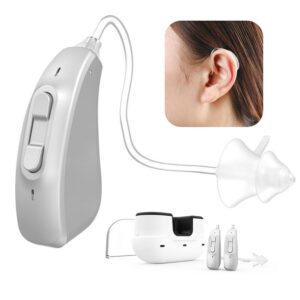
RIC or RITE hearing aids have a small receiver placed directly in the ear canal, while the microphone and processor remain behind the ear.
Pros: Smaller, more discreet, delivers natural sound.
Cons: Smaller batteries, delicate components.

In-the-Ear (ITE)

ITE hearing aids fit completely inside the outer ear, available as full-shell or half-shell models.
Pros: Easy to insert and remove, comfortable for daily use.
Cons: Prone to earwax buildup, less powerful for severe hearing loss.

Completely-in-Canal (CIC) / Invisible-in-Canal (IIC)

CIC and IIC hearing aids fit deep inside the ear canal and are almost invisible.
Pros: Extremely discreet.
Cons: Smaller controls, limited amplification for severe loss.

Body-Worn Hearing Aids

Mostly used today for specific needs or severe hearing loss. These devices are less common but provide powerful amplification and simplicity in controls.

Features That Differentiate Hearing Aids

Technology Level

Hearing aids vary from basic to premium models. Premium devices often include advanced features like adaptive noise reduction, feedback cancellation, and automatic environment adjustments.

Connectivity Options

Modern hearing aids can connect to smartphones, TVs, and other devices via Bluetooth, allowing for direct audio streaming and remote adjustments.

Power Source

Some hearing aids use disposable batteries, while others are rechargeable. Battery life and convenience can influence your choice.

Directional Microphones

Directional microphones help users focus on specific sounds, such as conversations, while minimizing background noise.

Telecoils & Assistive Listening Systems

Telecoils enhance hearing in public spaces equipped with compatible systems, such as theaters, lecture halls, and places of worship.

Choosing the Right Hearing Aid

When selecting a hearing aid, consider your hearing loss severity, lifestyle, daily activities, and budget. Professional fitting by an audiologist is essential to ensure optimal comfort and performance.

Common Misconceptions

  • All hearing aids are the same: Each type and model offers unique features and suitability.
  • Invisible hearing aids are always better: While discreet, they may not provide enough power for severe hearing loss.
  • Digital hearing aids restore hearing perfectly: They improve hearing clarity but cannot fully restore normal hearing.

Maintenance and Longevity Differences

Different hearing aid types require different care routines. BTE devices are easier to clean, while smaller canal devices need more careful maintenance. Most hearing aids last three to seven years, depending on use, care, and technology level. Warranties and service plans vary by brand.

Conclusion

Hearing aids differ in design, technology, features, and suitability for different hearing loss levels. Understanding these differences is key to finding the right device. Always consult with an audiologist to choose a hearing aid that matches your lifestyle and hearing needs.