Your Cart

What Level of Hearing Loss Requires a Hearing Aid

hearing Loss often develops gradually, making it difficult to notice until it starts affecting daily communication. So, when exactly should you consider using a hearing aid?

Most people should consider a hearing aid when hearing loss reaches around 40 dB or begins impacting everyday conversations.

Common Signs You May Already Need a Hearing Aid

  • Struggling to hear in restaurants or meetings
  • Frequently asking people to repeat themselves
  • Voices sound unclear or muffled
  • Turning the TV volume up higher than others prefer
  • Difficulty understanding phone conversations

If these sound familiar, you may already benefit from a hearing aid.

How Hearing Loss Is Measured

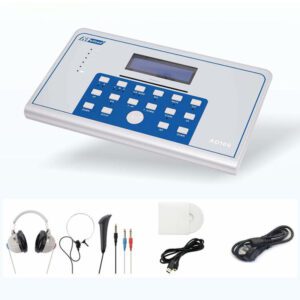
Hearing loss is measured in decibels (dB) through a hearing Test called an audiogram. The higher the number, the more severe the hearing loss.

Hearing Loss Levels and Recommended hearing Aids

The table below shows exactly when hearing aids are recommended based on hearing loss levels.

LeveldB RangeDaily ImpactRecommended Solution
Normal0–25 dBNo noticeable issuesNo hearing aid needed
Mild26–40 dBDifficulty in noisy environmentsInvisible hearing aids (CIC/IIC)
Moderate41–55 dBDifficulty in daily conversationsStandard digital hearing aids (RIC/BTE)
Moderately Severe56–70 dBNeed louder speechHigh-power hearing aids
Severe71–90 dBVery hard to communicateUltra-power hearing aids
Profound90+ dBCannot hear most soundsLimited benefit from hearing aids
Key Insight: Hearing aids are typically recommended starting at 40 dB, especially when communication becomes difficult.

Find the Right Hearing Aid for Your Needs

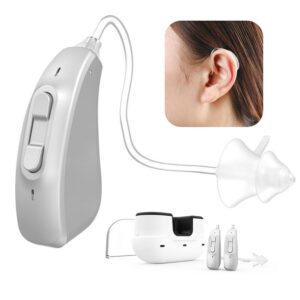
Explore modern digital hearing aids designed for comfort, clarity, and everyday use.

Explore hearing Aids

How to Choose the Right Hearing Aid

  • Mild Loss: Small and invisible styles
  • Moderate Loss: Balanced performance and features
  • Severe Loss: High-power devices
  • Frequent calls: Choose Bluetooth-enabled models
  • Noisy environments: Prioritize strong noise reduction

Why Early Use Matters

Using hearing aids early helps your brain adapt better, improves communication, and prevents further listening fatigue.

When Hearing Aids May Not Be Enough

In rare cases of profound hearing loss (90+ dB), hearing aids may provide limited benefit, and a specialist may suggest alternatives such as cochlear implants.

Take the Next Step

If your hearing is affecting your daily life, don’t wait. Early action leads to better results.

Get a hearing Test