What Causes Hearing Loss in the Elderly
Age-Related Hearing Loss (Presbycusis)
Presbycusis is the most common cause of hearing loss in elderly people. It is a slow and permanent decline in hearing that usually affects both ears.
As people age, inner ear hair cells and auditory nerve function gradually deteriorate, and blood supply to the cochlea becomes less efficient. Typical symptoms include difficulty hearing high-frequency sounds and understanding speech in noisy environments.
Long-Term Noise Exposure
Many older adults were exposed to high noise levels earlier in life through industrial work, construction, military service, or long-term headphone use.
Noise damage accumulates over time and may only become noticeable later in life, making it an important factor when discussing what causes hearing loss in the elderly.
Chronic Diseases and Medical Conditions
Several health conditions are closely related to hearing loss in older adults, including:
- diabetes
- cardiovascular disease
- hypertension and stroke
These conditions can reduce blood flow and damage small nerves and structures in the inner ear, affecting hearing sensitivity and clarity.
Ototoxic Medications
Some medications can harm the inner ear as a side effect. These are known as ototoxic drugs and may include certain antibiotics, chemotherapy agents, diuretics and high-dose aspirin.
Elderly people are more vulnerable because they often use multiple medications and have reduced ability to recover from inner ear damage.
Ear Infections, Earwax and Structural Problems
Chronic middle ear inflammation can interfere with sound transmission and lead to conductive or mixed hearing loss.
In addition, earwax buildup is more common in older adults. Hardened earwax may block the ear canal and cause temporary hearing loss or worsen existing hearing difficulties.
Genetic and Cognitive Factors
Family history can increase vulnerability to inner ear degeneration.
In some elderly people, hearing difficulty is also related to reduced auditory processing in the brain. Hearing loss and cognitive decline often coexist and may influence each other.
How Hearing Loss Affects Daily Life in the Elderly
- communication difficulties
- social isolation
- reduced independence
- higher risk of depression and safety issues
This is why early identification is essential.
When Should Elderly People Get a hearing Test?
- frequently asking others to repeat
- turning up the TV volume
- difficulty following conversations, especially in groups
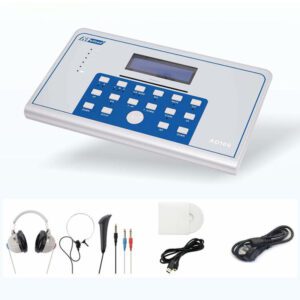
Regular hearing assessments help detect problems before daily life is seriously affected.
Can Hearing Aids Help Elderly People with Hearing Loss?
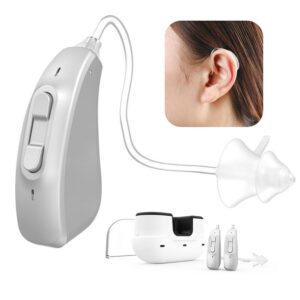
Hearing aids are one of the most practical and widely used solutions for age-related hearing loss.
Modern hearing aids amplify and process sound digitally, reduce background noise, and automatically adapt to different listening environments.
They are especially helpful for age-related hearing loss, sensorineural hearing loss and most cases of mixed hearing loss.
Common hearing aid types for elderly users include behind-the-ear (BTE), in-the-ear (ITE) and rechargeable hearing aids.
With proper fitting, hearing aids can improve speech understanding, reduce listening fatigue, and help older adults stay socially active and independent.
How to Choose the Right Hearing Aid
- degree and type of hearing loss
- comfort and ease of operation
- daily lifestyle and listening environments
Professional fitting and follow-up adjustments are essential to achieve the best results.
Conclusion
So, what causes hearing loss in the elderly? In most cases, it is the result of aging, long-term noise exposure, chronic diseases, medication side effects, and individual genetic or cognitive factors.
Early hearing testing and appropriate hearing aid solutions allow many seniors to maintain communication ability, confidence and overall quality of life.