hearing Loss affects millions of people worldwide, and choosing the right hearing aid can significantly improve quality of life. With advances in technology, hearing Aids are no longer just tools for amplifying sound—they are sophisticated devices that enhance communication, comfort, and daily activities. Among the most common types are BTE (Behind-the-Ear) and ITE (In-the-Ear) hearing aids. Understanding the differences between these two can help you make an informed decision that suits your hearing needs and lifestyle.

What Are BTE hearing Aids?
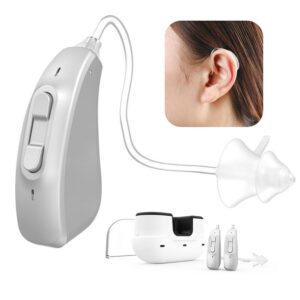
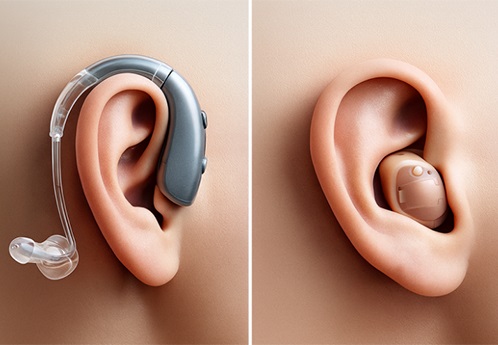
BTE (Behind-the-Ear) hearing Aids are designed to sit comfortably behind the ear. They are connected to an earmold or a thin tube that channels sound directly into the ear canal.
Key features of BTE hearing aids include:
- Wide power range: Suitable for mild to profound hearing loss.
- Ease of use: Simple controls and easy maintenance.
- Connectivity: Many models support Bluetooth, remote controls, and wireless accessories.
Who should consider BTE aids?
- Individuals with moderate to severe hearing loss.
- Those who prefer devices that are easy to handle or require less frequent professional adjustments.
- Users who want additional features, such as streaming music or phone calls directly to their hearing aids.
BTE aids are durable and often recommended for children because they can accommodate growth and adjustments.
What Are ITE Hearing Aids?
ITE (In-the-Ear) hearing aids fit directly inside the outer ear, filling the bowl-shaped area of the ear canal. Some models, known as completely-in-canal (CIC), sit deeper inside the ear and are less visible.
Key features of ITE hearing aids include:
- Discreet appearance: More visually subtle compared to BTE.
- Customization: Molded to fit the exact shape of your ear canal.
- Convenient features: Can include volume control, directional microphones, and some wireless functions.
Who should consider ITE aids?
- People with mild to moderate hearing loss.
- Users who prioritize aesthetic discreetness and comfort.
- Individuals with smaller ear canals or those seeking custom-fit solutions.
While ITE hearing aids offer a sleek look, they may require more frequent cleaning and are typically less powerful than BTE devices.
Key Differences Between BTE and ITE Hearing Aids
Understanding the main differences can help you determine which type fits your needs best:
| Feature | BTE | ITE |
|---|---|---|
| Placement | Behind the ear | Inside the ear canal |
| Power | Suitable for mild to profound hearing loss | Best for mild to moderate hearing loss |
| Appearance | More visible | More discreet |
| Connectivity | Often supports Bluetooth and accessories | Some support wireless, fewer connectivity options |
| Maintenance | Easier to clean and adjust | Requires careful cleaning of ear canal and device |
| Comfort | May feel bulkier | Custom-fit, can feel more natural |
| Price | Mid to high | Often slightly higher due to custom molding |
How to Choose the Right Hearing Aid
Selecting the ideal hearing aid depends on multiple factors:
- Hearing loss severity:
- Moderate to severe loss → BTE may be better.
- Mild to moderate loss → ITE may suffice.
- Lifestyle and usage:
- Active users or tech-savvy individuals may benefit from BTE’s connectivity.
- Users who value discretion may prefer ITE.
- Professional assessment:
- A certified audiologist can measure hearing loss accurately and recommend a device tailored to your ear shape and lifestyle.
- Trial and adjustment:
- Modern hearing aids allow for fine-tuning, ensuring comfort and optimal performance.
Recent Technology Trends
Both BTE and ITE hearing aids have embraced technological innovation:
- Bluetooth connectivity: Stream phone calls, music, and TV audio directly to hearing aids.
- AI sound processing: Enhances speech understanding in noisy environments.
- Rechargeable batteries: Eliminates frequent battery replacements.
- Durability features: Water-resistant and dustproof models for active lifestyles.
These advancements ensure that users experience better sound quality, convenience, and reliability, regardless of which type they choose.
Conclusion
BTE and ITE hearing aids serve the same purpose—improving hearing—but they differ in appearance, power, functionality, and maintenance. BTE aids are versatile and powerful, ideal for a wide range of hearing loss, while ITE aids are discreet and custom-fitted for mild to moderate loss.
The best choice ultimately depends on individual hearing needs, lifestyle, and personal preference. Consulting a professional audiologist ensures a precise fit, proper adjustments, and access to the latest features.
Call to Action
If you or a loved one are experiencing hearing difficulties, schedule a hearing test with a certified audiologist today. Professional guidance ensures that you choose the most effective solution, improving your communication, comfort, and overall quality of life.