When we think about hearing Aids, most of us focus on how they improve our hearing — the clarity, the comfort, the sound quality. But behind every well-functioning hearing aid is something small yet powerful: the battery. Without it, even the most advanced hearing aid cannot perform.
Over the years, I’ve met many users who were surprised to learn how much the type of battery affects not only performance but also daily convenience. Let’s take a closer look at what makes battery hearing aids so essential and how you can choose the right one for your lifestyle.
The Role of Batteries in Hearing Aids
A hearing aid battery is more than a power source — it’s what keeps the device responsive, stable, and reliable throughout the day. Every time you hear a familiar voice or catch the melody of a favorite song, it’s the battery quietly doing its job behind the scenes.
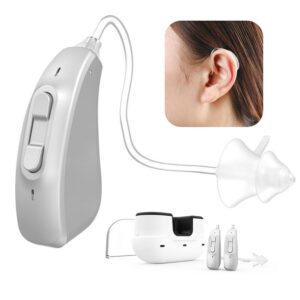
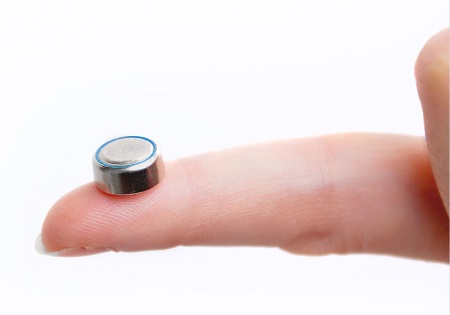
There are two main types of batteries used in modern hearing aids: replaceable zinc-air batteries and rechargeable lithium-ion batteries. Each has its strengths. Disposable batteries are widely available and easy to replace, while rechargeable ones bring convenience to users who prefer a simple “charge and go” routine.
Everyday Considerations: Choosing What Works for You
The best battery option depends largely on your habits.
For example, I once worked with a retired teacher who loved hiking and traveling. He preferred traditional batteries because he could easily carry spares during long trips. On the other hand, a younger client who used Bluetooth hearing aids for phone calls and streaming music found rechargeable batteries much more convenient — just place them in the dock overnight and forget about replacements.
It’s not just about technology, but lifestyle. The key is to find a solution that fits smoothly into your routine.
Tips to Make Batteries Last Longer
No matter which type you choose, a few small habits can make your batteries last longer:
Turn off the hearing aid when not in use, especially overnight.
Keep it dry and clean, as moisture shortens battery life.
Let new zinc-air batteries “breathe” for a few minutes after removing the sticker before inserting them — this activates the power more efficiently.
Regularly clean the battery compartment to ensure good contact.
It might sound simple, but I’ve seen cases where a quick clean fixed what users thought was a technical issue.
The shift toward rechargeable hearing aids reflects a growing trend toward sustainability and user convenience. As technology continues to evolve, batteries are becoming smaller, longer-lasting, and more environmentally friendly. What was once a minor accessory is now a key factor in overall satisfaction and reliability.
Whether you rely on traditional or rechargeable batteries, understanding how they work helps you make the most of your hearing aid. After all, clear hearing isn’t just about technology — it’s about connection, confidence, and comfort in daily life.