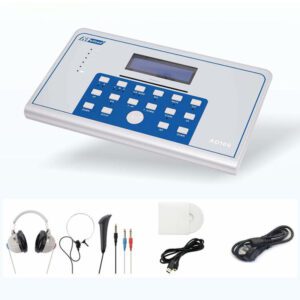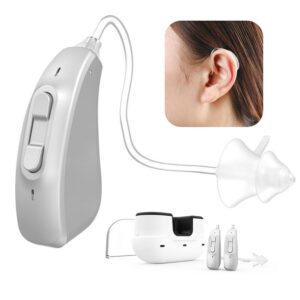
The hearing aid industry is undergoing a quiet revolution. No longer bulky, outdated medical devices, today’s hearing Aids are sleek, powerful, and increasingly intelligent. As we look ahead, the future promises even more exciting developments that will transform how users experience the world of sound.

AI-Driven Personalization
Artificial intelligence is shaping the next generation of hearing technology. New devices are being trained to learn from user behavior, listening environments, and voice preferences. Future hearing aids will automatically adjust settings in real time—whether the user is at a noisy restaurant, in a quiet office, or outdoors—ensuring seamless, intuitive hearing support with minimal manual adjustments.
Smaller Size, Greater Power
Miniaturization continues to push boundaries. More powerful chips and efficient battery technologies are allowing manufacturers to pack more features into smaller designs. Invisible-in-canal (IIC) and completely-in-canal (CIC) models are becoming more advanced, combining discretion with high-end performance.
Rechargeability and Sustainability
Rechargeable options are slowly replacing disposable batteries. Users demand convenience, and eco-conscious consumers are looking for sustainable solutions. Modern hearing aids now offer all-day power on a single charge, along with wireless charging cases and battery health monitoring.
Connected Hearing: Bluetooth & App Integration
Bluetooth connectivity is becoming a standard feature. Hearing aids can now stream music, phone calls, and even GPS navigation directly from smartphones or smartwatches. Companion apps allow users to fine-tune their devices, track usage, and receive updates—bringing the user experience closer to mainstream consumer electronics.
Health Monitoring Capabilities
Tomorrow’s hearing Aids will be more than just sound amplifiers. Built-in sensors will allow them to monitor heart rate, physical activity, and even detect falls—acting as both hearing devices and personal health assistants. This integration is especially valuable for elderly users, offering added safety and independence.
The future of hearing aids lies in the convergence of sound technology, health innovation, and smart connectivity. These aren’t just devices for hearing Loss—they’re becoming lifestyle companions, personal health monitors, and powerful tools for social connection. As user needs continue to shift, the focus will remain on accessibility, personalization, and intelligent design. One thing is clear: hearing aids are no longer just catching up with technology—they are becoming technology.