Your Cart

How Young Can a Baby Get Hearing Aids

Discovering that a baby may have hearing Loss can be overwhelming for parents. One of the most common questions families ask is how young a baby can be when hearing Aids are first introduced. Early hearing support plays a critical role in speech, language, and cognitive development, which is why understanding timing and options is so important.

This guide explains when babies can get hearing Aids, how hearing loss is diagnosed in infants, and what parents should expect during the early intervention process.

How Young Can a Baby Get Hearing Aids?

In many cases, babies can be fitted with hearing aids within the first few months of life, sometimes as early as a few weeks old, once hearing loss has been accurately diagnosed.

There is no strict minimum age for hearing aids. The decision is based on a baby’s hearing test results, medical evaluation, and recommendations from a pediatric audiologist. The goal is to provide access to sound as early as possible during critical stages of brain and language development.

Newborn Hearing Screening and Early Diagnosis

In many countries, newborn hearing screening is performed shortly after birth. These screenings help identify potential hearing loss early, often before parents notice any signs.

If a baby does not pass the initial screening, further diagnostic testing is usually recommended. These follow-up tests are painless and designed specifically for infants. Early diagnosis allows families and healthcare professionals to make informed decisions about next steps, including whether hearing aids are appropriate.

Types of Hearing Loss in Infants

Hearing loss in babies can occur for different reasons, and the type of hearing loss affects treatment decisions.

  • Conductive hearing loss involves problems in the outer or middle ear and may sometimes be temporary or medically treatable.
  • Sensorineural hearing loss involves the inner ear or auditory nerve and is often permanent.
  • Mixed hearing loss includes elements of both conductive and sensorineural loss.

Hearing aids are most commonly recommended for babies with permanent hearing loss when they can benefit from amplified sound.

When Are Hearing Aids Recommended for Babies?

Hearing aids may be recommended once hearing loss is confirmed and medically cleared. Pediatric audiologists carefully assess whether amplification will help the baby access speech sounds safely and effectively.

In some cases, medical or surgical treatment may be considered first. In others, hearing aids are part of an early intervention plan designed to support speech and language development from infancy.

Hearing Aid Options for Infants

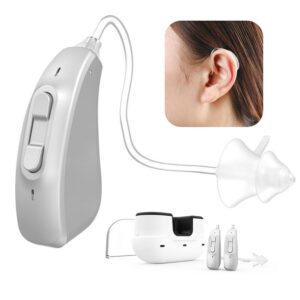
Most babies who use hearing aids are fitted with behind-the-ear (BTE) devices. These are preferred for infants because they are adjustable, durable, and compatible with changing ear sizes.

Soft custom ear molds are used to deliver sound comfortably into the ear. Because babies grow quickly, ear molds need to be replaced regularly to ensure a proper fit and effective sound delivery.

Infant hearing aids are designed with safety features, including secure battery compartments and volume controls that prevent over-amplification.

Safety, Comfort, and Ongoing Monitoring

Safety is a top priority when fitting hearing aids for babies. Devices are programmed at safe listening levels based on clinical testing and adjusted as the baby grows.

Regular follow-up appointments are essential. Audiologists monitor hearing levels, adjust settings, and ensure the hearing aids continue to meet the baby’s needs. Parents are also taught how to check devices daily and recognize signs that adjustments may be needed.

Benefits of Early Hearing Aid Use

Providing access to sound early in life can support important areas of development, including:

  • Speech and language learning
  • Social interaction and emotional development
  • Cognitive and listening skills

Early hearing support does not guarantee identical outcomes for every child, but research consistently shows that early intervention offers the best opportunity for communication development.

Common Concerns Parents Have

Many parents worry that their baby is too young for hearing aids or that devices may cause discomfort. Others worry their baby will not tolerate wearing them.

These concerns are understandable. Pediatric audiologists work closely with families to address comfort, safety, and daily use challenges. Over time, many babies adapt well to hearing aids as part of their normal routine.

Early Intervention and Family Support

Hearing aids are often only one part of a broader early intervention plan. Families may also work with speech-language professionals and early childhood specialists who support communication development.

Parental involvement is especially important. Learning how to create a language-rich environment helps maximize the benefits of early hearing support.

Conclusion: Early Guidance Makes a Difference

Babies can receive hearing aids very early in life when hearing loss is identified and amplification is appropriate. Early assessment, professional guidance, and family support all play essential roles in helping babies develop communication skills.

If parents have concerns about their baby’s hearing, seeking advice from qualified healthcare professionals is the most important first step.