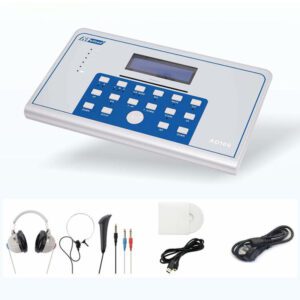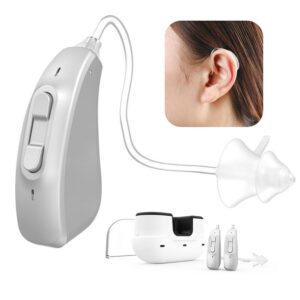
Avoid Loud Noises: Whenever possible, steer clear of excessively loud environments like concerts, construction sites, loud machinery, and shooting ranges.
Wear hearing Protection: If you can’t avoid loud noise, use appropriate hearing protection. This includes earplugs (foam, pre-molded, or custom-fitted) or earmuffs. Choose protection with a suitable Noise Reduction Rating (NRR) for the noise level.
Turn Down the Volume: Keep the volume down when using personal listening devices (headphones, earbuds), watching TV, or listening to music. A good rule of thumb is if someone next to you can hear what you’re listening to, it’s too loud. Aim for no more than 60% of the maximum volume.
Limit Exposure Time: The louder the noise, the less time you should be exposed to it. Take breaks from noisy environments to give your ears a rest. For example, after 15 minutes of loud noise, take a break in a quieter area.
Increase Distance: The farther you are from a loud sound source, the less intense it will be. If you’re at a concert or event with loudspeakers, try to position yourself farther away.
Give Your Ears Time to Recover: After being exposed to loud noise, allow your ears time to recover in a quiet environment. This can help prevent temporary hearing Loss from becoming permanent.
Be Aware of Hazardous Noises: Identify and be mindful of everyday noises that can be harmful, such as lawnmowers, power tools, and even loud toys. Take precautions around these sounds.
Use Noise-Canceling Headphones Properly: Noise-canceling headphones can reduce the need to turn up the volume in noisy environments, but they are not a substitute for hearing protection in very loud settings.
Get Regular Hearing checks: If you are regularly exposed to loud noise or notice any changes in your hearing (like ringing in your ears, muffled sounds, or difficulty understanding speech), get your hearing tested by our expert audiologist. Early detection of hearing loss allows for timely intervention.