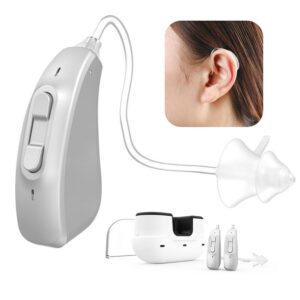
The hot summer is a good time for active sports, but for you who love sports, the dust and water resistance of hearing Aids is very important. The following introduces how to protect hearing aids in different sports, as well as related maintenance tools and usage methods.

1 Outdoor sports
During running, cycling, and Mountain climbing.
Sweat and flying dust are two major factors that threaten hearing aids. It is recommended to choose hearing aids with a protection level of IP57 or above, which can effectively resist the invasion of sweat and dust. Before exercise, carefully check whether the earplugs or ear molds are installed tightly to prevent sweat from flowing through the gaps. You can also prepare a sweat-absorbing belt and wear it on your forehead to reduce sweat from flowing to your ears. When riding, if you pass through a dusty section, adjust the position of the helmet appropriately to reduce the impact of dust on the hearing aid. When mountain climbing, carry a portable drying box and put the hearing aid in it when you rest to remove moisture that may enter. If you accidentally come into contact with water, such as splashing water from a mountain stream, you should gently wipe the surface of the hearing aid with a clean and soft towel as soon as possible.
2 Water Sports
Swimming
Water is extremely harmful to hearing aids, and it is generally not recommended to wear ordinary hearing aids for swimming. If you don’t want to miss the fun of swimming, you can choose waterproof hearing aids designed specifically for water sports, with a protection level of IP68. Before wearing, make sure that the battery compartment is well sealed and all interfaces are tightly closed. After going ashore, rinse the hearing aid with clean water in time to remove residual pool water or seawater, and then wipe it dry with a soft cloth.
3 Indoor sports
Aerobics and dance
Although indoor sports will not be exposed to outdoor dust, sweat during exercise will still pose a threat to hearing aids. Choose hearing aids with a certain degree of waterproofing ability. During exercise, you can use a sports headband or hairband to drain sweat and prevent it from dripping onto the hearing aid. If the hearing aid is accidentally stained with sweat, wipe it clean with a dry cloth in time.
Ball sports
When playing ball sports such as basketball and badminton, be careful to avoid collisions with hearing aids. You can choose hearing aids that are smaller and fit the ears to reduce the risk of collisions. When exercising, pay attention to the surrounding environment to prevent the hearing aid from falling into water due to intense exercise. Once the hearing aid shows signs of water ingress, stop using it immediately and dry it.
4 Maintenance tools and usage methods
Electronic dryer
After exercise, choose the appropriate duration according to the degree of moisture in the hearing aid. Daily drying for 2 hours is sufficient. If the moisture is more serious, it will take longer to sterilize and dehumidify. Place the hearing aid in the drying chamber; be careful not to stack them. Remove the batteries, open the battery compartment door, and ensure that every part is fully dried. Generally dry for 2-3 hours after running and cycling; dry for 3-4 hours after mountain climbing; dry for 4-5 hours after swimming; dry for 2-3 hours after jet skiing and other sports, even if there is no direct contact with water; dry for 1-2 hours after aerobics and dancing; if the hearing aid is soaked in water during ball games, first use a dry cloth to dry it, and then dry it for 3-4 hours.
Cleaning brush
Use the cleaning brush at least once a week to gently brush away the dust and dirt accumulated on the surface of the hearing aid and the sound outlet. Be extra careful when brushing the sound outlet to avoid damaging the internal parts.
Soft cloth
Wipe the hearing aid with a soft, dry cloth after each use to keep the surface of the hearing aid clean.
Tweezers and a small brush set
Use tweezers and a small brush regularly to clean dirt or foreign matter that may accumulate in the hearing aid battery compartment to ensure good battery contact.
Magnifying glass
Regularly use a magnifying glass to check the hearing aid shell, earplugs, battery compartment, earwax guard, and other parts for cracks, damage, or foreign objects, to find and deal with problems in time.
Drying box
When the hearing aid is not used for a long time, it can be placed in a drying box. The desiccant can further absorb the surrounding moisture and provide a drier storage environment for the hearing aid.
Summer sports make life full of vitality. As long as the hearing aid is dustproof and waterproof, and the maintenance tools are used correctly, you can enjoy sports while ensuring the normal use of the hearing aid.