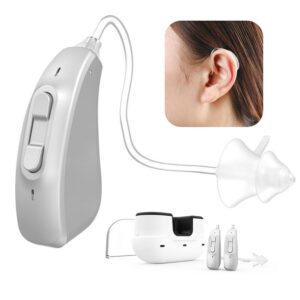
Moisture is one of the most common enemies of hearing Aids. Whether it’s caused by sweat, humidity, rain, or accidental water exposure, moisture can damage internal components and affect performance. Knowing how to properly dry your hearing aids can help extend their lifespan and ensure they function optimally.

Why Drying Hearing Aids Is Important
Hearing aids are delicate electronic devices. Even a small amount of trapped moisture can cause:
Distorted or no sound
Battery corrosion
Microphone or receiver failure
Reduced lifespan
Drying your hearing aids regularly is a simple yet critical part of your maintenance routine.
Step-by-Step: How to Dry Your Hearing Aids
Turn Off and Remove the Batteries
If your hearing aid uses disposable batteries:
Open the battery compartment.
Remove the battery to prevent corrosion.
If it’s rechargeable, simply turn it off or place it in the charger (depending on the model).
Wipe Down the Hearing Aids
Use a soft, dry cloth or a tissue to gently wipe the outer shell of the hearing aid.
Avoid using heat sources like hair dryers, ovens, or microwaves.
Do not use alcohol or cleaning agents unless specified by the manufacturer.
Use a Hearing Aid Drying Kit or Dehumidifier
There are two main types:
Passive Drying Case: These use desiccants (drying crystals or tablets) to absorb moisture. Just place your hearing aids inside overnight.
Electronic Dryers: These devices use a combination of heat, air circulation, and/or UV light to remove moisture and sanitize the hearing aids.
Leave to Air Dry if No Kit Is Available
In a pinch, open the battery door and leave the device in a dry place overnight. Avoid bathrooms or kitchens, which are typically humid.
Clean the Tubing (For BTE Models)
If you use behind-the-ear (BTE) hearing aids with tubing:
Detach the tubing from the hearing aid.
Use an air blower or small cleaning tool to remove moisture trapped inside.
Tips for Preventing Moisture Buildup
Remove hearing aids during showers, swimming, or heavy sweating.
Store them in a dry, ventilated place.
Use hearing aid sweatbands or sleeves during exercise.
Keep a drying kit with you when traveling to humid areas.
When to Seek Professional Help
If your hearing aid stops working even after drying:
Check for earwax blockages.
Try a new battery or recharge fully.
If the problem persists, consult your audiologist or hearing aid provider for service or repair.
Conclusion
Regularly drying your hearing aids is one of the easiest ways to maintain performance and extend their usable life. With the right tools and a consistent routine, you can keep moisture problems at bay and hear clearly every day.