Choosing the right hearing aid for an elderly person involves more than just selecting a device—it’s about improving quality of life, communication, and safety. Here are the key factors to consider:

Consult a Hearing Specialist
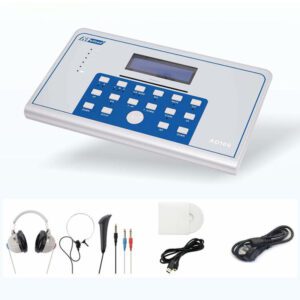
Always start with a professional hearing test conducted by an audiologist. This test will determine the type and severity of hearing Loss and help recommend suitable hearing aid options.
Consider the Type of Hearing Loss
There are three main types of hearing loss: sensorineural, conductive, and mixed. Most elderly people have sensorineural hearing loss due to aging. The hearing aid must match the individual’s specific hearing profile.
Ease of Use
Elderly users may have reduced vision, dexterity, or memory, so the device should be easy to handle. Look for:
Simple controls (volume and program adjustments)
Larger buttons or touch features
Rechargeable batteries (to avoid frequent battery changes)
Comfort and Fit
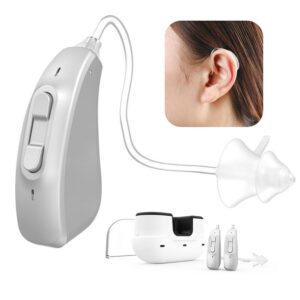
Comfort is critical. Behind-the-ear (BTE) models are popular for seniors due to their durability and ease of handling. However, in-the-ear (ITE) models may offer a more discreet appearance. A trial period is helpful to test comfort.
Technology Features
Depending on the user’s lifestyle and budget, consider features like:
Noise reduction and directional microphones
Bluetooth connectivity for phone and TV
Telecoil (for use in public areas with hearing loops)
Budget and Insurance
Hearing aids vary in price. Check whether insurance, Medicare Advantage, or VA benefits cover any part of the cost. Some clinics also offer financing plans.
Aftercare and Support
Choose a provider that offers fitting, follow-ups, and maintenance. Ongoing support is vital for elderly users to adapt successfully.
Conclusion
The best hearing aid for an elderly person is one that suits their hearing needs, is easy to manage, and fits within their lifestyle and budget. Always prioritize professional advice, comfort, and long-term usability.