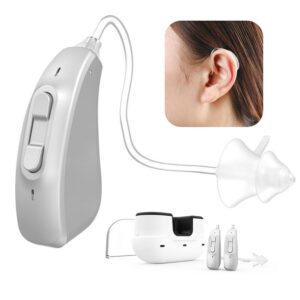
hearing Aids are sophisticated electronic devices that help millions of people around the world enjoy better hearing and improved quality of life. However, like any frequently used device, they require regular maintenance to stay in good working condition. One of the most important—and often overlooked—aspects of hearing aid care is cleaning. So, how often should a hearing aid be cleaned?
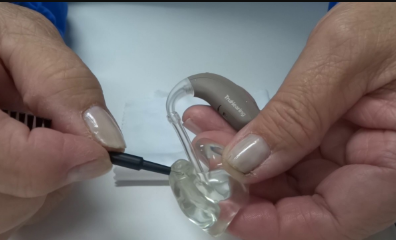
The short answer is: daily. But let’s explore why cleaning is so essential, how often different parts should be maintained, and what can happen if you skip this vital step.
Why Hearing Aid Cleaning Is Important
Hearing aids sit inside or behind your ears for most of the day. This means they are constantly exposed to earwax (cerumen), sweat, skin oils, dust, and environmental debris. Over time, these substances can clog microphones, receivers, and vents, causing:
Reduced sound quality or volume
Intermittent performance
Complete device failure
Skin irritation or ear infections
By cleaning your hearing aid regularly, you prevent build-up and ensure the device works effectively for as long as possible. Moreover, proper maintenance can extend the lifespan of your device and reduce costly repairs or replacements.
Daily Cleaning: A Must for Hearing Aid Users
For optimal performance, most audiologists recommend cleaning your hearing aid every day. This daily routine doesn’t have to be time-consuming—just a few minutes each night can make a big difference.
Here’s what your daily cleaning routine should include:
Wipe the surface: Use a soft, dry cloth to gently wipe the device and remove any moisture, earwax, or debris.
Check wax guards or filters: If your hearing aids use wax guards, inspect them daily and replace when needed. Products like CeruShield™ Wax Guards are specially designed for this purpose.
Clear vents and tubing: Use a small cleaning brush or vent cleaner tool to keep vents and sound bores clear.
Dry overnight: Store your hearing aid in a dry box or dehumidifier overnight to remove moisture.
Weekly and Monthly Maintenance
While daily cleaning is important, some tasks only need to be done weekly or monthly:
Weekly:
Inspect the microphone inlet and tubing for dust or blockage.
Use specialized tools (like a wax pick or loop) to gently remove deeper debris.
Clean the earmold (for behind-the-ear models) with warm, soapy water. Make sure it’s completely dry before reconnecting.
Monthly:
Replace wax guards or filters, especially if sound seems muffled.
Check battery contacts for corrosion and wipe clean if needed.
Inspect overall condition: Look for signs of wear, cracks, or discoloration.
When to See a Professional
Even with regular cleaning, it’s important to have your hearing aid professionally serviced every 3 to 6 months. Audiologists have specialized equipment to deep clean and test the function of your device, ensuring everything is working properly.
If you notice any of the following issues, it’s best to seek help sooner:
Sudden drop in volume or sound clarity
Persistent feedback or whistling
Visible damage to the shell or tubing
Excessive earwax that can’t be cleaned at home
Tools and Products to Help You Clean Effectively
Keeping your hearing aid clean is easier with the right tools. Here are some recommended accessories:
Wax guards (like CeruShield™): Prevent earwax from entering the receiver.
Cleaning brush with loop: Helps remove dirt from small openings.
Vent cleaner: Thin wire tools that clear sound ports.
Drying kits or dehumidifiers: Essential for moisture control.
These items are affordable and can significantly improve the reliability and performance of your device.
Final Thoughts: Clean Daily, Hear Clearly
So, how often should a hearing aid be cleaned? The best practice is daily light cleaning, supported by weekly deep checks and monthly maintenance, with professional servicing twice a year. Staying consistent with this routine ensures your hearing aid stays clear, comfortable, and fully functional.
Proper hearing aid care is not just about preserving a device—it’s about preserving your connection to the world around you.