Whether you’re new to using hearing Aids or have relied on them for years, one of the most common concerns is: How long does the battery last? Battery performance plays a vital role in the reliability and convenience of hearing aids. In this article, we’ll break down everything you need to know—from average lifespan to tips for maximizing battery efficiency.

What Affects Hearing Aid Battery Life?
Several factors influence how long your hearing Aid Batteries last. Understanding these can help you manage your hearing devices more effectively:
Battery Type:
There are two main types: disposable zinc-air batteries and rechargeable lithium-ion batteries. Each has a different lifespan and maintenance routine.
Device Features:
Advanced features like Bluetooth streaming, directional microphones, and noise cancellation consume more power, shortening battery life.
Daily Usage:
How many hours per day you wear your hearing aids—and how often you use wireless features—can significantly affect battery consumption.
Environmental Conditions:
High humidity, extreme temperatures, and even altitude can impact battery performance. For example, cold environments can reduce the power output of batteries.
Typical Battery Lifespan
Disposable Hearing Aid Batteries
These are small button-style batteries and come in various sizes. Each size offers a different expected duration:
Size 10 (Yellow): ~3 to 5 days
Size 312 (Brown): ~5 to 7 days
Size 13 (Orange): ~6 to 10 days
Size 675 (Blue): ~9 to 14 days
Keep in mind these are average ranges. Actual performance may vary based on hearing aid brand and usage.
Rechargeable Hearing Aid Batteries
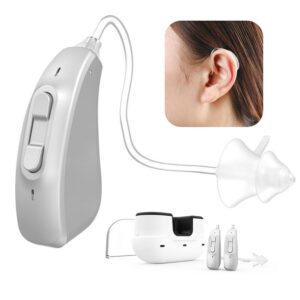
Modern hearing aids now often come with built-in rechargeable lithium-ion batteries. These typically last:
16 to 30 hours per charge, depending on usage
1 to 3 years before the battery capacity noticeably degrades
Most users simply charge them overnight for daily use, eliminating the need to replace batteries regularly.
How to Extend Hearing Aid Battery Life
Here are some simple but effective ways to make the most of your batteries:
Turn off your hearing aids when not in use or open the battery door to stop power flow.
Store batteries in a cool, dry place—avoid leaving them in hot cars or bathrooms.
Remove the battery tab and wait a minute before inserting it—this activates the zinc-air battery fully.
Use a hearing aid dehumidifier at night to remove moisture and protect both the device and battery.
Disable Bluetooth or streaming when it’s not needed to conserve energy.
Signs It’s Time to Replace or Recharge
Sudden volume drop or distorted sound
Beeping tones from the hearing aid (low battery alert)
Devices not turning on or powering off frequently
Rechargeable hearing aids not holding a full day’s charge
When you notice these signs, it’s best to replace or recharge the batteries promptly to avoid interruptions.
Conclusion
The lifespan of a hearing aid battery varies based on battery type, usage habits, and environmental conditions. While disposable batteries typically last from a few days to two weeks, rechargeable batteries offer a more convenient and long-term solution for daily users.
By following good battery practices, you can ensure your hearing aids stay powered when you need them most. If you’re unsure which battery type is right for your lifestyle, consult with a hearing care specialist for personalized advice.