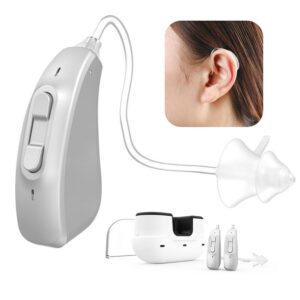
On average, hearing Aids last between 3 to 7 years, depending on the brand, model, and usage habits. Several factors can influence the overall lifespan:
- Usage and Environment: Frequent use in humid, dusty, or sweaty conditions may accelerate wear and tear.
- Maintenance and Cleaning: Regular cleaning and proper storage can prevent damage to sensitive electronics.
- Technological Updates: New features or improved sound processing may prompt users to upgrade sooner.
While high-end devices may offer longer durability, even the best hearing aids require proper care to reach their maximum lifespan.

Lifespan of Key Components
Batteries
Batteries are the most frequently replaced component of a hearing aid. There are two main types:
- Disposable Zinc-Air Batteries: Typically last 3 to 14 days, depending on usage.
- Rechargeable Batteries: Usually last 3 to 5 years before their capacity significantly declines.
Signs of battery aging include sudden loss of power, shorter usage time, or difficulty holding a charge. Replacing batteries promptly ensures consistent performance.
Ear Molds and Domes
Ear molds or domes are the parts that fit inside the ear canal. They are usually made from soft silicone or plastic:
- Lifespan: Around 1 to 2 years.
- Maintenance: Regular cleaning prevents earwax buildup and bacterial growth.
- Replacement: Over time, molds may harden or lose their shape, affecting comfort and sound quality.
Microphones and Receivers
The microphone captures sound, and the receiver delivers it into the ear. These are critical components:
- Common Issues: Blockages from earwax, moisture damage, or dust can reduce effectiveness.
- Maintenance: Professional cleaning every 6–12 months can prevent major issues.
- Replacement: If sound quality deteriorates despite cleaning, the component may need replacing.
Cables, Buttons, and Controls
For hearing aids with external controls or cords:
- Wear and Tear: Buttons may become less responsive, and wires can fray or break.
- Tips for Longevity: Avoid excessive force, keep controls dry, and use protective cases when not in use.
Environmental Factors Affecting Lifespan
The environment plays a significant role in hearing aid longevity:
- Humidity and Sweat: Moisture can corrode electronic circuits.
- Temperature Extremes: High heat may damage batteries and plastic components.
- Dust and Debris: Can clog microphones and receivers, reducing sound quality.
Prevention Tips:
- Use a dehumidifier or drying kit overnight.
- Store hearing aids in a cool, dry place.
- Use protective covers if exercising or in humid environments.
Tips to Prolong Hearing Aid Lifespan
- Regular Cleaning: Daily wiping of external parts and weekly deep cleaning of ear molds.
- Proper Charging: Follow manufacturer instructions to avoid overcharging or completely draining batteries.
- Professional Checkups: Schedule hearing aid service at least once or twice a year.
- Avoid DIY Repairs: Only trained technicians should handle internal repairs.
- Careful Handling: Remove aids before sleeping or swimming unless waterproof.
When to Replace Your Hearing Aid
Even with careful maintenance, replacement is sometimes necessary:
- Persistent poor sound quality despite cleaning.
- Frequent component failures.
- Outdated technology is limiting performance or connectivity.
Replacing the entire device may offer a better hearing experience and access to newer features like Bluetooth connectivity or advanced noise reduction.
Conclusion
The lifespan of a hearing aid depends not only on the device itself but also on how well it is cared for. By understanding the longevity of each component—from batteries and ear molds to microphones and controls—users can take proactive steps to maintain performance. Regular maintenance, professional checkups, and mindful handling can extend your hearing aid’s life, ensuring clear sound and reliable functionality for years to come.