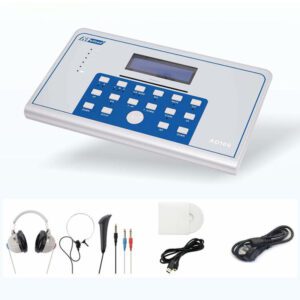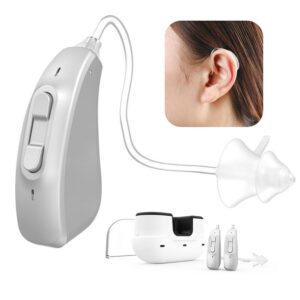
hearing is one of our most vital senses, allowing us to communicate, enjoy music, and stay safe in daily life. However, many people struggle with hearing Loss and are often unsure whether they need a hearing aid or a hearing amplifier. While these devices may seem similar because both make sounds louder, they serve very different purposes. Understanding the differences can help you make an informed decision that protects your hearing and improves your quality of life.

Understanding Hearing Loss
Hearing loss can occur for various reasons, including aging, prolonged exposure to loud noise, genetics, or certain medical conditions. Untreated hearing loss can lead to social isolation, difficulty understanding speech, and even cognitive decline. Because hearing is essential for clear communication, seeking professional guidance is crucial. A comprehensive hearing assessment from an audiologist can identify the severity and type of hearing loss and guide you to the right device.
What is a Hearing Aid?
A hearing aid is a medical device specifically designed to help individuals with hearing loss. Unlike general sound amplifiers, hearing Aids are customized based on your hearing profile, addressing the unique frequencies where your hearing is impaired.
Key Features of Hearing Aids:
- Speech Enhancement: Makes voices clearer even in noisy environments.
- Noise Reduction: Reduces background sounds to improve comprehension.
- Frequency-Specific Adjustment: Targets only the frequencies you struggle with, avoiding unnecessary amplification of all sounds.
Modern hearing aids may also include advanced features such as Bluetooth connectivity, directional microphones, and feedback cancellation. They are regulated as medical devices in many countries, including FDA approval in the United States, ensuring safety and effectiveness.
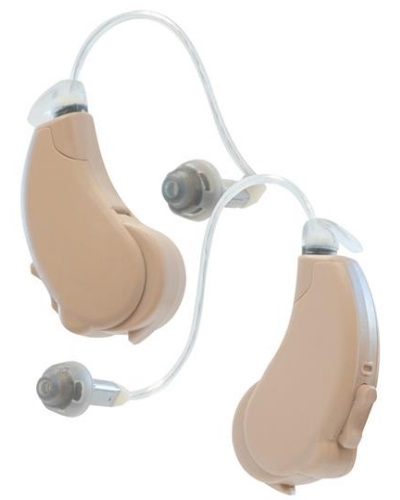

What is a Hearing Amplifier?
A hearing amplifier (or personal sound amplifier) is a consumer electronic device designed to increase the overall volume of surrounding sounds. Unlike hearing aids, amplifiers are not customized and do not distinguish between speech and background noise.
Typical Uses of Amplifiers:
- Outdoor activities like birdwatching or hunting
- Listening to lectures or presentations in quiet settings
- Enhancing environmental sounds for casual use
While amplifiers are more affordable and readily available, they are not suitable for treating hearing loss. They simply make all sounds louder, which can sometimes make noisy environments overwhelming.
Key Differences Between Hearing Aids and Amplifiers
| Feature | Hearing Aid | Hearing Amplifier |
|---|---|---|
| Purpose | Compensates for hearing loss | Amplifies all sounds |
| Functionality | Speech enhancement, noise reduction, frequency-specific | Simple volume boost |
| Customization | Tailored to individual hearing profile | One-size-fits-all |
| Regulation | Medical device, professionally fitted | Consumer electronic, no prescription needed |
| Price | $1,000 – $6,000 per device | $20 – $200 |
These differences are critical when choosing the right device. Selecting an amplifier for hearing loss may not only fail to improve clarity but can also potentially harm your hearing if used at high volumes.
Why Are Hearing Aids So Expensive?
Many people are surprised by the cost of hearing aids, which can range from $1,000 to $6,000 per device. Several factors contribute to this price:
Advanced Technology: Hearing aids include sophisticated features like noise reduction, speech enhancement, directional microphones, and Bluetooth connectivity.
Customization: Each device is tailored to your unique hearing profile, requiring professional fitting and calibration.
Regulation and Quality Assurance: Hearing aids are medical devices subject to strict safety and effectiveness standards, including FDA approval in the United States.
Professional Services: Costs often include audiologist consultations, hearing tests, and follow-up adjustments.
However, expensive does not always mean better for everyone. At Spieth, we offer high-quality hearing aids that combine professional-grade technology with more affordable pricing. Our devices deliver the clarity, comfort, and customization you need without the excessive cost.
Take Action: If you’re looking for a reliable yet budget-friendly hearing aid, contact us today to explore our Spieth range and find the perfect solution for your hearing needs.
Spieth Offers a Variety of Hearing Aids
At Spieth, we offer a full range of hearing aid types to meet different levels of hearing loss and lifestyle preferences. From In-the-Ear (ITE) and In-the-Canal (ITC) styles to Behind-the-Ear (BTE) and Receiver-in-Canal (RIC) models, our selection covers both discreet designs and high-performance options. We also provide Bluetooth-enabled hearing aids, rechargeable models, and advanced digital solutions for clearer speech, reduced background noise, and all-day comfort.
No matter your needs, Spieth ensures you can find a professional, reliable, and affordable hearing aid that matches your personal hearing profile.
How to Choose the Right Device
If you have diagnosed hearing loss, a hearing aid is the recommended solution. Professional evaluation ensures your device matches your hearing needs, providing the best balance of amplification, comfort, and clarity.
If your hearing is generally normal and you only want to enhance certain sounds, a hearing amplifier may be a cost-effective option for temporary or recreational use.
Consulting a licensed audiologist before purchasing any hearing device is always the safest choice. They can provide guidance on which device suits your lifestyle and hearing profile.
Conclusion
In summary, while both hearing aids and amplifiers increase sound levels, their purposes and capabilities differ significantly. Hearing aids are medical devices designed for hearing loss, offering advanced features and professional customization, while amplifiers are general sound-enhancing devices for occasional or recreational use. Choosing the right device can greatly improve your hearing experience, speech understanding, and overall quality of life.
To ensure the best results for your hearing health, consult our specialists and find the hearing aid that suits your needs perfectly. Explore Spieth’s affordable professional hearing aids today and take the first step toward better hearing.