hearing Loss is often associated with communication difficulties, but many people don’t realize it can also impact balance—especially when it affects only one ear. The relationship between hearing and balance is complex, as both functions are controlled by the inner ear. When hearing loss occurs in one ear, known as unilateral hearing loss (UHL), it may lead to challenges not only in understanding speech and localizing sounds but also in maintaining spatial orientation and balance.

Let’s explore how hearing loss in one ear can affect balance and how hearing Aids may help manage these effects.
The Inner Ear: A Dual Role in Hearing and Balance
The inner ear houses both the cochlea (responsible for hearing) and the vestibular system (which manages balance). These two systems share the same space and are closely connected. The vestibular system includes semicircular canals filled with fluid and sensory hair cells that detect motion and changes in head position. This system sends signals to the brain to help you stay balanced, particularly when you move or turn your head.
When hearing loss occurs in one ear, it doesn’t always mean the vestibular function on that side is also impaired—but in many cases, especially when the cause of hearing loss is related to trauma, infection, or disease (like Ménière’s disease or acoustic neuroma), both hearing and balance functions can be affected.
How Hearing Loss in One Ear Affects Balance
Although hearing and balance are technically separate systems, they work together to help you navigate your environment. When you lose hearing in one ear, it can cause:
- Reduced Spatial Awareness
With normal binaural hearing, the brain uses timing and intensity differences between the ears to pinpoint sound direction. When one ear is not functioning properly, this localization ability is compromised. This affects your ability to detect where sounds are coming from, making movement in crowded or noisy environments more disorienting and potentially unsafe.
- Sensory Mismatch
The brain relies on input from the ears, eyes, and muscles to maintain balance. If one of these inputs becomes inconsistent (as in the case of unilateral hearing loss), the brain may struggle to interpret signals correctly. This mismatch can lead to sensations of imbalance or unsteadiness, especially in low-visibility situations where visual cues are limited.
- Increased Cognitive Load
People with hearing loss often have to concentrate more on listening and interpreting speech. This added cognitive effort can reduce the brain’s ability to focus on other functions like coordination and movement. Over time, this can contribute to feelings of imbalance, especially in older adults.
Can a Hearing Aid Help with Balance?
The good News is that hearing Aids can play a significant role in improving both auditory perception and balance-related challenges caused by unilateral hearing loss.
- Restored Auditory Cues
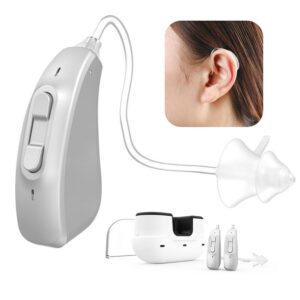
By amplifying sound in the affected ear, hearing aids help restore binaural hearing. This allows for better sound localization and spatial awareness, which in turn improves your ability to detect and respond to environmental changes—key for safe movement and navigation.
- Improved Sensory Integration
When hearing is improved, the brain receives more consistent input from both ears, which can reduce the sensory mismatch mentioned earlier. This leads to more stable balance, particularly during activities that require movement or quick reactions.
- Reduced Listening Effort
With a hearing aid, the cognitive strain required to understand speech and environmental sounds is reduced. This frees up mental resources for other tasks—like maintaining balance and staying alert to potential hazards.
What Type of Hearing Aid Works Best?
For unilateral hearing loss, options include:
CROS (Contralateral Routing of Signal) systems – For people with no usable hearing in one ear, this system picks up sound on the deaf side and routes it to the better-hearing ear.
BiCROS systems – For those with hearing loss in both ears, but one worse than the other.
Traditional hearing aids – For those who still have some hearing ability in the affected ear, amplification through a standard digital hearing aid can often restore binaural hearing.
Consulting an audiologist is crucial in determining the best solution based on the degree of hearing loss and your lifestyle.
Final Thoughts
Yes, hearing loss in one ear can affect balance, especially when the inner ear’s vestibular system is also compromised or when the brain receives asymmetrical auditory input. While not all cases of unilateral hearing loss result in noticeable balance problems, many individuals report feeling off-balance or less confident in movement.
Using a hearing aid can significantly improve auditory input, restore spatial awareness, and support the brain in maintaining equilibrium. If you’re experiencing one-sided hearing loss along with balance issues, it’s important to seek professional evaluation. Early intervention with the right hearing solution can improve not just your hearing, but your overall safety and quality of life.