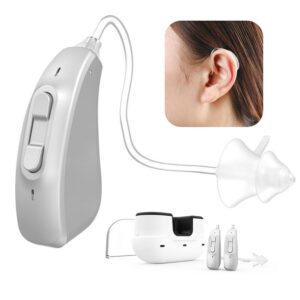
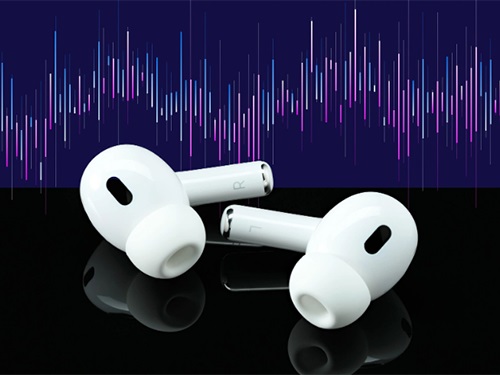
Apple does not manufacture traditional medical hearing Aids, but its AirPods Pro series does offer “hearing assistance” features, which can help users with mild hearing Loss to some extent.
Hearing loss affects millions of people worldwide, and technology has provided innovative solutions to address this issue. While Apple is not a medical hearing aid manufacturer, its AirPods Pro feature designs that improve speech clarity and amplify environmental sounds. In this article, we’ll explore the differences between AirPods Pro and medical hearing Aids, who can benefit from them, and best practices for safe usage.

Understanding AirPods Pro as Hearing Assistance, Not Medical Devices
AirPods Pro Features
Transparency Mode: Let’s environmental sounds in naturally, useful for conversations and awareness of surroundings.
Conversation Boost: Focuses on voices directly in front of the user for clearer communication.
Custom Audio Profiles: iPhone hearing tests can personalize sound amplification for mild hearing loss.
Why They Are Not True Hearing Aids
No formal medical device certification for moderate to severe hearing loss.
No professional fitting by audiologists, unlike traditional hearing aids.
Limited fine-tuning compared to medical-grade multi-channel hearing aids.
Key Differences Between AirPods Pro and Traditional Hearing Aids
Technology & Sound Processing
Hearing aids provide multi-band amplification, feedback cancellation, and adaptive noise reduction tailored to your audiogram.
AirPods Pro amplify general environmental sounds but lack individualized frequency adjustments.
Fit and Comfort
Hearing aids are often custom-molded for the ear canal, allowing long-term comfortable wear.
AirPods Pro have universal silicone tips, suitable for most users, but may cause discomfort or mild irritation over long periods.
Duration & Daily Use
Hearing aids are designed for 8–16 hours of continuous use.
AirPods Pro can be worn for several hours, but may cause sweat accumulation and minor ear canal irritation if used excessively.
Who Can Benefit from AirPods Pro Hearing Assistance
Suitable Users
Individuals with mild hearing loss.
Occasional difficulty understanding conversations in noisy environments.
Users looking for a convenient, non-medical device for casual listening support.
Who Should Avoid Relying Solely on AirPods Pro
People with moderate to severe hearing loss.
Users requiring continuous amplification and audiologist guidance.
Those with sensitive skin or prone to ear infections.
Tips for Using AirPods Pro for Hearing Support
Conduct the iPhone hearing test to personalize audio profiles.
Enable Conversation Boost for one-on-one conversations in noisy environments.
Regularly clean AirPods Pro and ear tips to prevent irritation or wax buildup.
Limit continuous wear to prevent moisture accumulation in the ear canal.
Seek professional guidance if discomfort or persistent itching occurs.
When to Consider Real Hearing Aids
Persistent difficulty understanding speech despite using AirPods Pro.
Moderate or severe hearing loss confirmed by audiogram.
Frequent tinnitus, ear infections, or feedback issues that AirPods Pro cannot address.
Professional hearing aids offer custom fitting, advanced noise reduction, and long-term auditory health support.
FAQ Module
Q1: Does Apple make hearing aids?
A: No. Apple does not manufacture traditional medical hearing aids, but AirPods Pro offer hearing assistance features.
Q2: Can AirPods Pro replace hearing aids?
A: Only for mild hearing loss in certain situations; they cannot replace audiologist-fitted hearing aids for moderate or severe loss.
Q3: How does Conversation Boost work on AirPods Pro?
A: It focuses on voices in front of the user, amplifying them for clearer understanding in noisy environments.
Q4: Are AirPods Pro approved by the FDA as hearing aids?
A: No. They are consumer audio devices, though some features are recognized for hearing assistance.
Q5: Who should consider real hearing aids instead of AirPods Pro?
A: Anyone with moderate to severe hearing loss, persistent difficulty hearing, or requiring long-term audiologist support.
Q6: How can I reduce ear irritation from AirPods Pro?
A: Clean your ear tips regularly, ensure proper fit, limit continuous wear, and monitor moisture buildup.
Conclusion
While AirPods Pro can provide hearing assistance for mild hearing loss, they do not replace medical hearing aids. Users should consider their level of hearing loss and consult an audiologist if needed.
If you’re interested in exploring the best hearing assistance options or need guidance on compatible ear tips and hearing aid accessories, contact us for professional advice and recommendations.