Mild hearing Loss might not seem like a serious condition at first, especially compared to more severe forms of hearing impairment. However, even a small decrease in your hearing ability can significantly affect your communication, social engagement, and overall quality of life. One common question people ask is: Do I need a hearing aid for mild hearing loss? The answer depends on various factors, including the impact on your daily life, the cause of the hearing loss, and your personal preferences. This article explores these considerations in detail.

Understanding Mild Hearing Loss
Mild hearing loss is typically defined as the inability to hear sounds below 25–40 decibels (dB). This means that you may struggle to hear soft-spoken conversations, especially in noisy environments, or miss subtle background sounds such as birdsong or leaves rustling. People with mild hearing loss might find themselves frequently asking others to repeat themselves, turning up the TV volume, or feeling fatigued after conversations due to the extra effort involved in listening.
Although these symptoms might seem minor, they can create social and emotional challenges over time, such as withdrawal from group settings, reduced self-confidence, and even anxiety or depression.
How hearing Aids Can Help
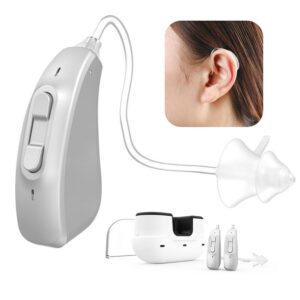
hearing Aids are not only for those with moderate or severe hearing loss. Modern hearing aids are designed to address a wide range of hearing needs, including mild hearing loss. Here’s how hearing aids can make a difference:
Improved Speech Clarity
Even mild hearing loss can reduce your ability to understand speech, especially when there’s background noise. Hearing aids amplify the frequencies where your hearing is weakest, improving clarity and reducing the strain of trying to understand conversations.
Better Cognitive Health
Numerous studies have shown a link between untreated hearing loss and cognitive decline. Using hearing aids can help keep your brain engaged and reduce the risk of memory issues or reduced processing speed later in life.
Increased Social Engagement
With improved hearing, you’re more likely to participate in social activities, avoid isolation, and maintain strong relationships. This has a positive impact on mental health and emotional well-being.
More Natural Listening Experience
Many hearing aids today use advanced digital signal processing and directional microphones. They don’t just make sounds louder—they help your brain focus on what matters, like a friend’s voice in a noisy café.
When You Might Not Need a Hearing Aid
While hearing aids offer many benefits, not everyone with mild hearing loss will immediately need one. Here are some cases where it may not be necessary:
Minimal impact on daily life: If your hearing loss doesn’t interfere with conversations, work, or safety, and you don’t find it frustrating, you might not need a hearing aid yet.
Hearing loss in only one specific situation: For example, if you only struggle to hear in loud restaurants, you may be able to manage with communication strategies rather than a device.
Temporary hearing loss: If your hearing loss is caused by an ear infection, allergies, or earwax buildup, hearing might return to normal with medical treatment.
However, even in these situations, it’s a good idea to monitor your hearing and check in regularly with a hearing care professional.
Alternatives and Supportive Strategies
If you’re not ready for hearing aids or want to supplement them, consider the following strategies:
Assistive Listening Devices (ALDs): These include TV streamers, amplified telephones, or personal amplifiers that can help in specific situations.
Communication Techniques: Ask friends and family to speak clearly and face you when talking. Try to reduce background noise during conversations.
Regular hearing Tests: Monitor changes in your hearing over time to know when it might be time to reconsider hearing aids.
Final Thoughts
While mild hearing loss may not seem serious, it can still have a significant impact on your day-to-day life. Hearing aids can greatly improve communication, protect cognitive function, and enhance your overall well-being, even if your hearing loss is classified as mild.
If you suspect you have hearing loss, it’s important to schedule a hearing evaluation with a licensed audiologist. They can help you understand the extent of your hearing loss and whether hearing aids or other solutions would be beneficial for your unique situation. Early intervention often leads to better long-term outcomes.
So, do you need a hearing aid for mild hearing loss? The best answer is: if it’s affecting your quality of life, even in small ways, then yes—hearing aids are worth considering.