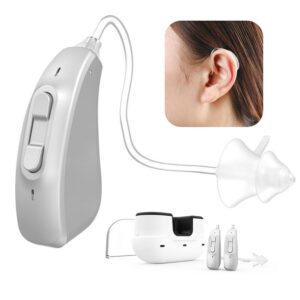
hearing Aids are essential devices for millions of people experiencing hearing Loss, providing clearer communication and an improved quality of life. However, a common concern among users—especially first-time users—is whether wearing hearing aids can lead to ear infections. The short answer is: yes, hearing aids can contribute to ear infections, but with proper care and hygiene, the risk is greatly reduced.

In this article, we’ll explore how hearing aids might cause ear infections, what signs to look out for, and how to prevent this uncomfortable issue.
How Hearing Aids Might Cause Ear Infections
hearing Aids themselves are not inherently harmful, but improper use and poor maintenance can create an environment where bacteria, yeast, or fungi can thrive. Here’s how that can happen:
- Moisture and Heat Build-Up
The human ear naturally produces warmth and moisture, and when a hearing aid is inserted into the ear canal, it reduces airflow. This enclosed environment becomes an ideal breeding ground for bacteria, particularly if the hearing aids are worn for long hours without breaks.
- Poor Cleaning Habits
If hearing aids or ear molds are not cleaned regularly, they can accumulate earwax (cerumen), skin oils, and debris. Over time, this build-up can harbor bacteria and reintroduce it into the ear each time the device is used.
- Improper Fit
A poorly fitted hearing aid can cause irritation or small abrasions in the ear canal. These micro-injuries can easily become infected, especially when combined with bacteria from a dirty device.
- Allergic Reactions
Some people may experience contact dermatitis or allergic reactions to the plastic or silicone material of the hearing aid, leading to inflammation, redness, or secondary infections.
Common Signs of Ear Infections
If you wear hearing aids and experience any of the following symptoms, it could be a sign of an ear infection:
Redness or swelling around the ear canal
Pain or discomfort in the ear
Itching or burning sensation
Drainage of fluid or pus
A feeling of fullness or pressure in the ear
Hearing loss or muffled hearing
Foul odor from the ear
If you notice these symptoms, it is important to stop using the hearing aid and consult a healthcare provider or audiologist as soon as possible.
Types of Ear Infections Related to Hearing Aids
The most common types include:
Otitis Externa (Swimmer’s Ear): An infection of the outer ear canal, often caused by moisture and bacteria.
Otitis Media: Infection behind the eardrum, less commonly caused by hearing aids but possible if bacteria spread.
Fungal Infections: Warm, dark, moist environments foster yeast and fungal growth, particularly if hygiene is poor.
How to Prevent Ear Infections from Hearing Aids
Prevention is key to enjoying the benefits of hearing aids without the discomfort of infection. Here are some best practices:
- Daily Cleaning
Use a soft, dry cloth or a hearing aid cleaning tool to remove earwax and debris daily. Avoid using water or alcohol unless specified by the manufacturer.
- Let Ears Breathe
Give your ears regular breaks from your hearing aids to allow air circulation and reduce moisture build-up.
- Store Properly
Always store hearing aids in a dry, ventilated container. Consider using a hearing aid dehumidifier or drying box overnight.
- Clean Ears Regularly
Ensure your ears are clean. If you produce a lot of earwax, see a professional for removal rather than using cotton swabs, which can push wax deeper.
- Check the Fit
If your hearing aid feels too tight or causes irritation, consult your audiologist for a refitting. A proper fit reduces friction and skin breakdown.
- Replace Parts as Needed
Tubing, domes, and ear molds should be replaced regularly. Worn parts can become contaminated or lose their smooth surface, increasing infection risk.
Conclusion
While hearing aids can potentially lead to ear infections if not used or maintained properly, the risk is entirely manageable. Practicing good hygiene, paying attention to how your ears feel, and maintaining your devices can ensure you benefit from your hearing aids without health issues.
If you’re experiencing recurring infections or discomfort, it’s always best to seek advice from an audiologist or ENT specialist. Your hearing health is vital—and with the right care, hearing aids can continue to improve your life without causing harm.