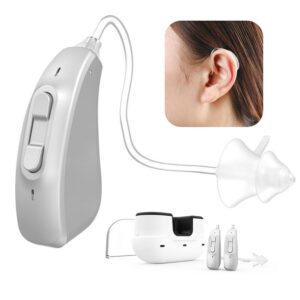
hearing Aids are delicate electronic devices designed to improve sound clarity. Because they are worn on or inside the ear, they can easily be exposed to moisture from rain, sweat, humidity, or accidental contact with water.
If your hearing Aids get wet accidentally, acting quickly can help prevent permanent damage. With proper handling and drying, many devices can recover without serious problems.
This guide explains what to do if hearing aids get wet and how to protect them from moisture damage in the future.
Why Moisture Is Dangerous for Hearing Aids
Moisture is one of the most common causes of hearing aid malfunction. Water can enter through small openings and affect the sensitive internal electronics.
When hearing aids are exposed to moisture, it may cause:
- Distorted or weak sound
- Intermittent performance
- Corrosion of internal components
- Complete device failure
Even small amounts of moisture can reduce performance over time, so it is important to respond quickly if the device gets wet.
Step-by-Step: What to Do If Hearing Aids Get Wet
1. Remove the Hearing Aid Immediately
If your hearing aid becomes wet, remove it from your ear right away. Continuing to wear the device may allow moisture to move deeper into the electronics.
Use a soft dry cloth to gently wipe the outside of the hearing aid.
2. Turn Off the Device
Turn off the hearing aid to prevent electrical damage. If the device uses removable batteries, open the battery compartment and remove the battery.
This helps air circulate through the device and speeds up the drying process.
3. Dry the Hearing Aid Safely
Place the hearing aid in a dry environment to allow moisture to evaporate.
Safe drying methods include:
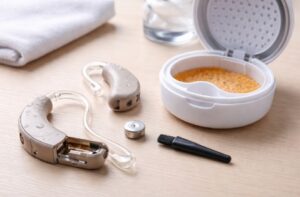
- Using a hearing aid drying kit or dehumidifier
- Placing the device in a container with silica gel packets
- Leaving it in a warm, dry room overnight
Avoid using hair dryers, microwaves, ovens, or direct sunlight because excessive heat can damage internal components.
4. Let the Device Dry Completely
Leave the hearing aid to dry for at least 12 to 24 hours. Keeping the battery compartment open during this time helps moisture escape more easily.
5. Test the Hearing Aid
After the device has dried completely, insert the battery and turn the hearing aid on.
Check whether:
- The device powers on normally
- Sound quality is clear
- There is no distortion or crackling
When to Seek Professional Repair
If your hearing aid still does not function correctly after drying, it may require professional cleaning or repair.
- No sound output
- Weak or distorted audio
- Frequent device shutdowns
- Visible moisture inside the device
Professional technicians have specialized equipment to safely restore moisture-damaged hearing aids.
How to Prevent Hearing Aids from Getting Wet
- Remove hearing aids before showering or swimming
- Store them in a protective dry case
- Use a hearing aid drying box regularly
- Clean and wipe the device after sweating
- Avoid storing hearing aids in humid environments
FAQ: Hearing Aids and Water Damage
Can hearing aids survive getting wet?
Yes, many hearing aids can recover if they are dried quickly and properly.
Is it safe to use a hair dryer to dry hearing aids?
No. High heat can damage internal electronic components.
How long should hearing aids dry after getting wet?
It is recommended to dry hearing aids for at least 12–24 hours before using them again.