Many people assume that all hearing Aids perform the same basic function—simply amplifying sounds. While amplification is part of the process, modern hearing aids are far more sophisticated than that. In reality, hearing aids can vary significantly in performance depending on their technology, design, and how well they are matched to the user’s hearing needs.
Understanding these differences is crucial for anyone considering a hearing aid, as selecting the wrong device can lead to poor sound clarity, discomfort, or limited benefits in daily life.

The Basic Function of Hearing Aids
At their core, all hearing aids share a similar working principle. They capture sound through a microphone, process that sound digitally, and deliver an amplified signal to the ear via a speaker. However, this basic process does not define performance.
The quality of sound processing, the speed of the internal chip, and the accuracy of amplification across different frequencies all affect how natural and clear the sound feels. Two hearing aids may perform the same basic task, but the listening experience they provide can be very different.
Key Factors That Make Hearing Aids Perform Differently
Sound Processing Technology
One of the most important differences lies in sound processing technology. Modern digital hearing aids use advanced chips to analyze sound in real time. These chips separate speech from background noise and adjust amplification accordingly.
More advanced processors can handle complex environments, such as busy restaurants or crowded meetings, more effectively. Entry-level models may struggle in these situations, even though they still amplify sound.
Noise Reduction and Speech Clarity
Noise reduction is a major factor in hearing aid performance. High-quality hearing aids use intelligent algorithms to reduce steady background noise while preserving speech clarity.
Cheaper or older models may amplify all sounds equally, making conversations harder to follow in noisy environments. For users who frequently socialize or work in dynamic settings, this difference can be significant.
Frequency Range and Customization
hearing Loss rarely affects all sound frequencies equally. Some users struggle with high-pitched sounds, while others experience broader hearing loss.
Better-performing hearing aids offer precise frequency tuning and personalization based on a professional hearing test. This customization ensures that speech sounds natural and comfortable, rather than overly sharp or distorted.
Types of Hearing Aids and How They Perform
Different hearing aid styles also influence performance.
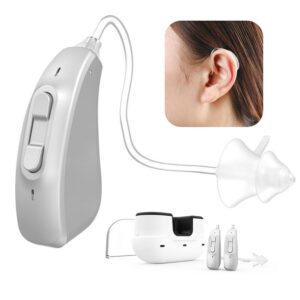
Behind-the-Ear (BTE) and Receiver-in-Canal (RIC) Hearing Aids typically offer stronger amplification and better technology options. In-the-Ear (ITE) and In-the-Canal (ITC) models prioritize discretion but may have smaller batteries and fewer advanced features.
Choosing the right style depends on hearing needs, comfort, and lifestyle rather than appearance alone.
Smart Features That Affect Performance
Modern hearing aids often include smart features that enhance usability and sound quality. Bluetooth connectivity allows direct streaming from phones and TVs, while automatic environment detection adjusts settings without manual input.
Rechargeable batteries improve convenience and ensure stable performance throughout the day. While these features do not directly improve hearing ability, they greatly influence user satisfaction and daily use.
User Experience: Why Two People Get Different Results
Even with the same hearing aid model, two users may have very different experiences. Hearing loss patterns, ear shape, and personal listening environments all play a role.
Equally important is professional fitting and follow-up adjustments. A properly fitted hearing aid, fine-tuned over time, will always perform better than a high-end device that is poorly adjusted.
Do More Expensive Hearing Aids Perform Better?
Price often reflects the level of technology, but more expensive does not always mean better for every user. Premium hearing aids offer advanced noise reduction, automatic adjustments, and connectivity features.
However, for users with mild hearing loss or simpler listening needs, a mid-range hearing aid may deliver excellent performance without unnecessary complexity.
How to Choose the Right Hearing Aid for Your Needs
Choosing the right hearing aid starts with a professional hearing evaluation. Understanding your hearing loss type and daily listening environments is essential.
Trial periods, professional adjustments, and long-term support are just as important as the device itself. The best-performing hearing aid fits your hearing profile, lifestyle, and comfort needs.
Conclusion: Not All Hearing Aids Perform the Same
While all hearing aids are designed to improve hearing, they do not perform the same in real-world use. Differences in technology, customization, and user fitting can dramatically affect sound quality and comfort.
By understanding these key differences and working with hearing professionals, users can choose a hearing aid that delivers meaningful, long-term hearing improvement rather than simply louder sound.