
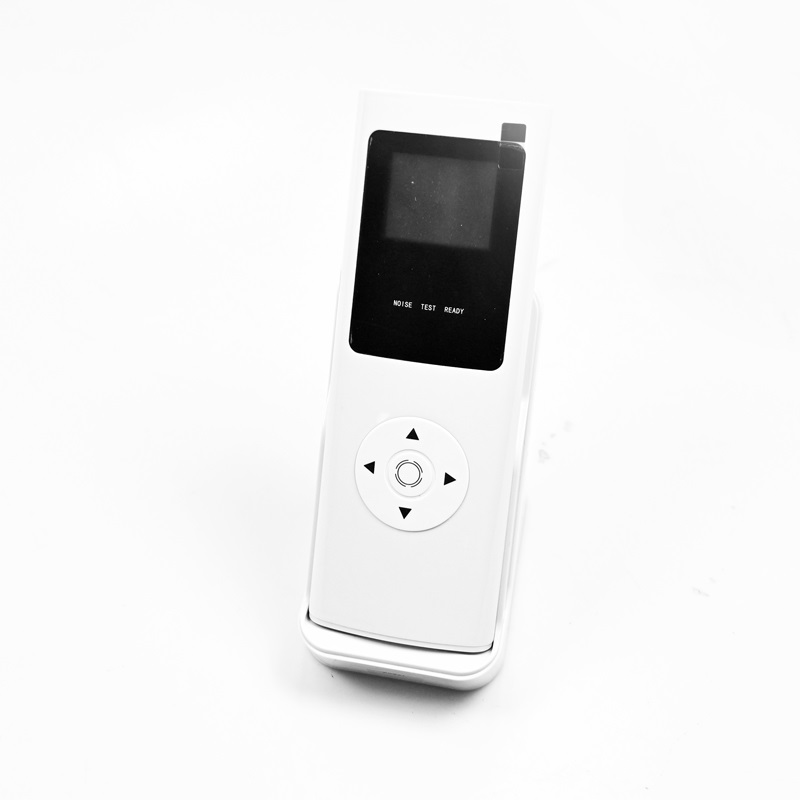
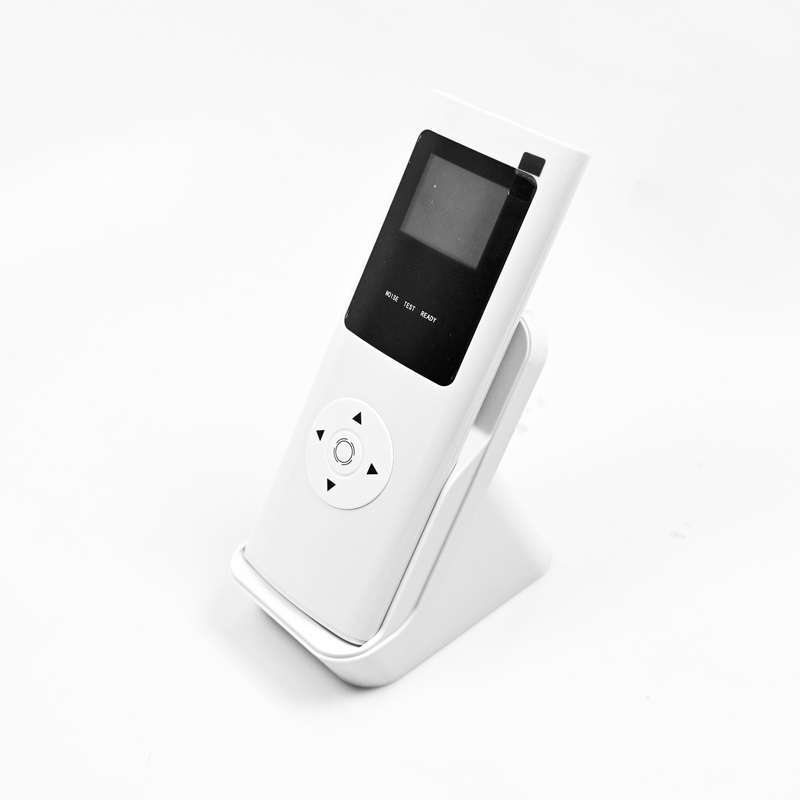

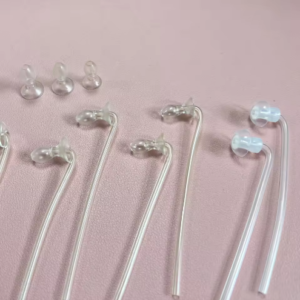
The RB311 Otoacoustic Emission (OAE) hearing Screening Device is a handheld, medical-grade instrument designed for fast, accurate, and non-invasive early hearing detection. By evaluating the function of the cochlear outer hair cells using Distortion Product OAE (DPOAE) or Transient Evoked OAE (TEOAE), the RB311 provides clinicians with an objective “pass” or “refer” result for newborns, infants, and young children.
Developed for hospitals, maternity wards, ENT clinics, and early childhood health centers, the RB311 supports early screening, early detection, and early intervention—critical steps in preventing long-term speech and developmental delays caused by undiagnosed hearing Loss.

Key Features
Supports both DPOAE and TEOAE screening modes
Objective, automated pass/refer results
Fast testing workflow suitable for newborn hearing screening programs
Clear LCD user interface with intuitive button operation
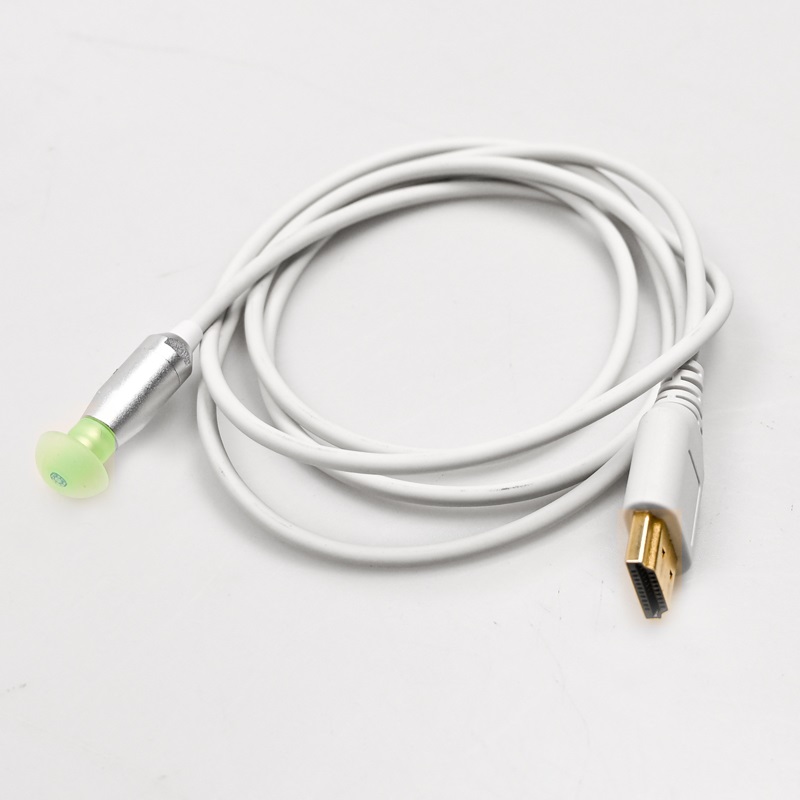
High-sensitivity probe with multiple ear tip sizes for different users
USB Type-C interface for data communication
Built-in rechargeable 3000 mAh battery for long operation
Standard 58 mm Bluetooth thermal printer for immediate report output
Optional PC management software for data archiving and review
TEOAE Technical Specifications
Assessment Method: Noise-weighted averaging; signal peak calculation
Stimulus Type: Click sound
Stimulus Intensity: 60–80 dB
Frequency Range: 1.5 kHz – 4 kHz
Signal-to-Noise Ratio (SNR): 4 dB
Pass Criteria: At least 3 of 6 frequencies
Display: Test progress, signal-to-noise ratio
Result Display: Pass / Refer
DPOAE Technical Specifications
Assessment Method: Phase statistics method
Stimulus Type: Two primary pure tones with F2/F1 = 1.22
Stimulus Intensity: 50–65 dB
Test Protocol: L1/L2 = 65/55 dB SPL
Frequency Range: 2 kHz, 3 kHz, 4 kHz, 5 kHz
Signal-to-Noise Ratio (SNR): 6 dB
Pass Criteria: At least 3 of 4 frequencies
Display: Test progress, signal-to-noise ratio
Result Display: Pass / Refer
Main Unit Specifications
Dimensions: 188 × 66 × 25 mm
User Interface: LCD with button controls
Interface: USB Type-C, USB 2.0 communication
Power Adapter:
Input: 100–240 V~, 50/60 Hz
Output: DC 5V 2A
Battery:
Nominal voltage: DC 3.7 V
Capacity: 3000 mAh
Printing:
Standard 58 mm Bluetooth thermal printer (included)
Optional PC management software
Probe Specifications
Probe Design: Built-in sound generator and receiver sensors
Probe Interface: HDMI
Ear Tips: Multiple sizes of silicone ear tips
Why Choose the RB311?
The RB311 is engineered to meet clinical demands for speed, accuracy, and reliability in early hearing detection. Its dual OAE testing modes provide strong diagnostic value, enabling clinicians to identify potential hearing issues at the earliest stage. Automated pass/refer results help healthcare providers efficiently screen large numbers of infants with minimal training.
Early and precise screening is essential for timely intervention, including the fitting of hearing Aids when necessary. By identifying hearing loss sooner, the RB311 supports better rehabilitation outcomes and smoother transitions into follow-up audiology services. With durable construction, flexible data output options, and medical-grade performance, the RB311 is a trusted choice for hospitals, pediatric clinics, and early hearing intervention programs.

Standard Package Configuration
Main unit ×1; Power adapter ×1; Probe ×1; Ear tip set ×1; User manual ×1; Certificate of conformity ×1; Warranty card ×1; 58 mm Bluetooth thermal printer ×1
Optional Accessories:
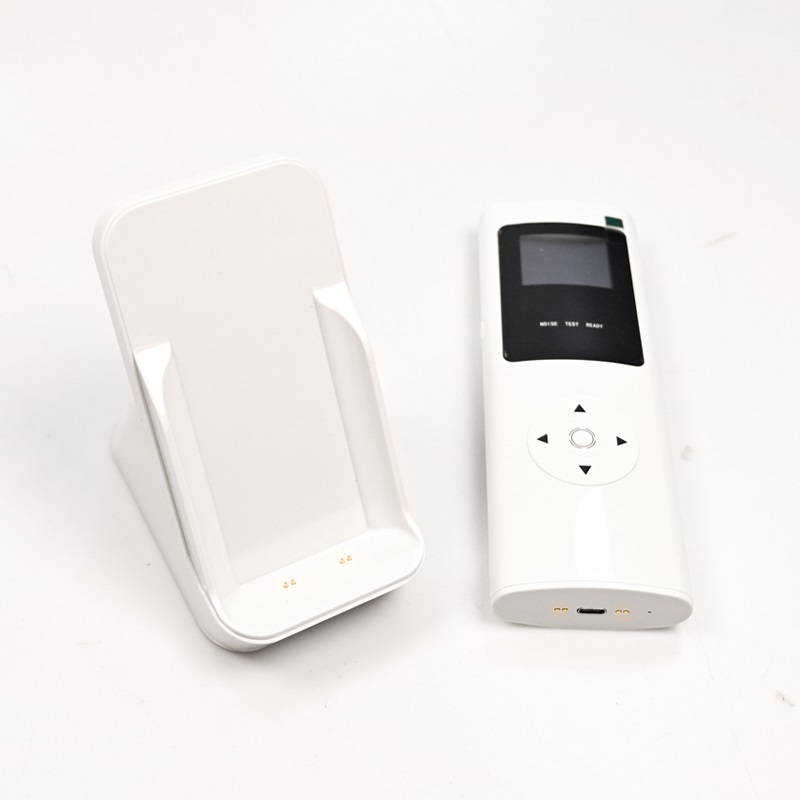
Charging base; PC management software
Applications
The RB311 is widely used in:
Newborn hearing screening programs
Hospitals and maternity centers
Pediatric and ENT clinics
Maternal & child health institutions
Community hearing screening projects