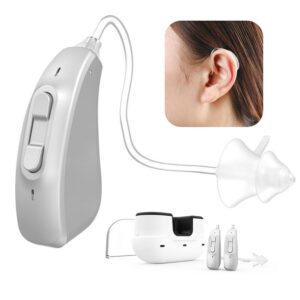
hearing problems are often associated with aging, noise exposure, or ear infections. However, many people are surprised to learn that dental issues—especially wisdom teeth—can sometimes affect the ears as well. If you are experiencing ear pain, muffled hearing, or ringing in your ears while also dealing with wisdom tooth problems, you may wonder whether there is a connection.
This article explores how wisdom teeth can influence ear health, the symptoms to watch for, available treatments, and when hearing Aids may be necessary for long-term hearing support.

What Are Wisdom Teeth?
Wisdom teeth, also known as third molars, usually emerge between the ages of 17 and 25. Most people develop four wisdom teeth—two on the top and two on the bottom.
Because the human jaw has evolved to be smaller over time, there is often not enough space for these teeth to grow properly. As a result, wisdom teeth frequently become:
- Impacted (trapped under the gums or against other teeth)
- Partially erupted
- Infected
- Misaligned
These issues can cause pain, swelling, jaw stiffness, and in some cases, symptoms that extend beyond the mouth.
How the Jaw, Teeth, and Ears Are Connected
The ears, jaw, and teeth are located close together and share nerves, muscles, and blood vessels. One key structure linking them is the temporomandibular joint (TMJ), which connects the jaw to the skull near the ear.
When wisdom teeth become impacted or infected, they can cause:
- Inflammation
- Pressure on nearby nerves
- Muscle tension in the jaw
- Irritation of the TMJ
Because of this close anatomical relationship, dental problems can sometimes produce symptoms that feel like ear issues, including hearing changes.
Can Wisdom Teeth Cause hearing Loss?
Wisdom teeth do not usually cause direct, permanent hearing loss, but they can contribute to temporary hearing problems through indirect mechanisms.
Possible ways wisdom teeth affect hearing:
- Nerve Pressure
Impacted wisdom teeth can press against nerves that are connected to the ear, leading to discomfort, ear pain, or a sensation of blocked hearing. - Infection Spread
Severe tooth infections can spread to nearby tissues, potentially affecting the ear and causing inflammation or fluid buildup. - TMJ Dysfunction
Jaw misalignment or muscle tension caused by wisdom teeth can impact the TMJ, leading to ear pressure, tinnitus, or hearing changes. - Referred Pain
Pain from wisdom teeth may be felt in the ear even when the ear itself is healthy.
In most cases, any hearing disturbance related to wisdom teeth is temporary and improves after dental treatment.
Common Ear-Related Symptoms Linked to Wisdom Teeth
People with problematic wisdom teeth may experience:
- Ear pain or pressure
- Muffled or reduced hearing
- Ringing in the ears (tinnitus)
- Jaw stiffness
- Headaches
- Facial or neck pain
These symptoms can be confusing, as they often feel like ear infections or hearing disorders rather than dental problems.
When to See a Dentist or ENT Specialist
You should seek professional evaluation if you experience:
- Persistent ear pain without an obvious ear infection
- Hearing changes lasting more than a few days
- Jaw pain with ear symptoms
- Swelling around the jaw or gums
- Difficulty opening your mouth
A dentist can check for wisdom tooth problems using X-rays, while an ENT (ear, nose, and throat) specialist can assess your hearing and ear health.
Treatment Options for Wisdom Teeth Issues
The right treatment depends on the severity of the problem.
Common treatments include:
- Monitoring: If the teeth are not causing symptoms
- Antibiotics: For infections
- Pain management: Anti-inflammatory medication
- Wisdom tooth extraction: For impacted or problematic teeth
After extraction or infection treatment, most ear-related symptoms improve within days or weeks.
Can Hearing Return After Wisdom Tooth Treatment?
In many cases, yes.
If the hearing issue was caused by:
- Inflammation
- Nerve pressure
- Jaw tension
- Infection
Then hearing usually returns to normal once the dental problem is resolved.
However, if hearing loss is caused by unrelated factors such as age, noise exposure, or inner ear damage, dental treatment alone may not restore hearing.
When Hearing Aids Become Necessary
If hearing difficulties persist after wisdom tooth treatment, it may indicate a separate hearing condition.
hearing Aids may be recommended when:
- Hearing loss is permanent
- Communication is affected
- Daily activities become difficult
- Hearing tests show significant impairment
A licensed audiologist can determine whether hearing aids are appropriate.
How Hearing Aids Help with Hearing Loss
Modern hearing aids are advanced medical devices designed to improve sound clarity and speech understanding.
Benefits of hearing aids include:
- Clearer conversations
- Reduced listening effort
- Improved social interaction
- Better awareness of surroundings
- Enhanced quality of life
Some models also include:
- Noise reduction
- Bluetooth connectivity
- Rechargeable batteries
- Tinnitus masking features
While hearing aids cannot cure hearing loss, they can significantly improve daily communication.
Choosing the Right Hearing Aid
Selecting the right hearing aid depends on:
- Your hearing test results
- Lifestyle needs (work, social activities, environment)
- Comfort and fit
- Budget
- Professional recommendations
An audiologist will program the device to match your specific hearing profile for the best results.
Preventing Dental and Hearing Problems
You can reduce the risk of future issues by:
- Maintaining good oral hygiene
- Attending regular dental checkups
- Treating wisdom tooth problems early
- Protecting your ears from loud noise
- Monitoring changes in hearing
Early detection is key to preventing long-term complications.
Frequently Asked Questions (FAQ)
Can wisdom teeth cause tinnitus?
Yes. Inflammation or jaw tension from wisdom teeth can sometimes lead to ringing in the ears.
Is hearing loss from wisdom teeth permanent?
Usually not. Most cases are temporary and improve after treatment.
Do all impacted wisdom teeth affect hearing?
No. Many people have impacted wisdom teeth without any ear symptoms.
Can hearing aids help with ear pressure?
Hearing aids improve hearing clarity but do not treat physical pressure. Medical evaluation is needed for pressure-related symptoms.
Conclusion
Wisdom teeth can sometimes contribute to ear-related symptoms such as pain, pressure, tinnitus, or temporary hearing changes. This happens because the jaw, teeth, and ears are closely connected through shared nerves and structures.
In most cases, treating the wisdom tooth problem resolves these symptoms. However, if hearing loss persists, a professional hearing evaluation is essential. Hearing aids can provide effective long-term support for people with permanent hearing impairment.
If you experience both dental and hearing symptoms, addressing them early can protect both your oral health and your hearing.